
What Is a Slab Leak and How Do You Know If You Have One?
A slab leak is a water or sewer line leak that develops underneath a concrete slab foundation where pipes run under the house. It most often involves a pressurized water supply line, although sewer pipes under the slab can also crack and let wastewater escape.
When a slab leak forms, water moves into soil or under flooring instead of staying inside the pipe. This hidden flow can cause higher water bills, warm or damp spots on floors, low water pressure, or damage in the yard and along the foundation over time.
This article explains how slab leaks start, which warning signs appear inside and outside the home, how professionals detect leaks under concrete, what repair options exist, and when a plumber is needed. The goal is to help homeowners recognize early changes and plan a calm, informed response rather than ignore slow damage under the slab.
How Does a Slab Leak Start Under a Concrete Foundation?
A slab leak starts when pipes under a concrete foundation are damaged by soil movement, temperature changes, corrosion, or poor installation, and the weakened pipe wall or joint begins to let water or wastewater escape. These stresses act directly on the buried line rather than on visible fixtures.
Pipes often run through or under the slab to reach bathrooms, kitchens, and utility rooms. Water supply lines carry constant pressure, so any small crack or pinhole allows a continuous leak. Sewer pipes carry wastewater by gravity, and breaks let sewage seep into surrounding soil or enter voids under the slab.
Common causes of slab leaks under a concrete foundation include:
- Soil movement and settling that shifts or bends buried pipes until they crack
- Thermal expansion and contraction of hot water lines that rub against concrete or supports
- Abrasion where pipes contact concrete edges, rebar, or sharp rocks in the backfill
- Corrosion or chemical reaction between metal pipes, soil minerals, and concrete components
- Poor installation with weak joints, thin bedding, or improper support under long pipe runs
Hot water lines are often more prone to slab leaks because repeated heating and cooling cycles make them expand and contract against surrounding materials. Over time, these combined factors weaken specific points in the piping under the slab and allow a leak to form even when the rest of the plumbing system appears normal.
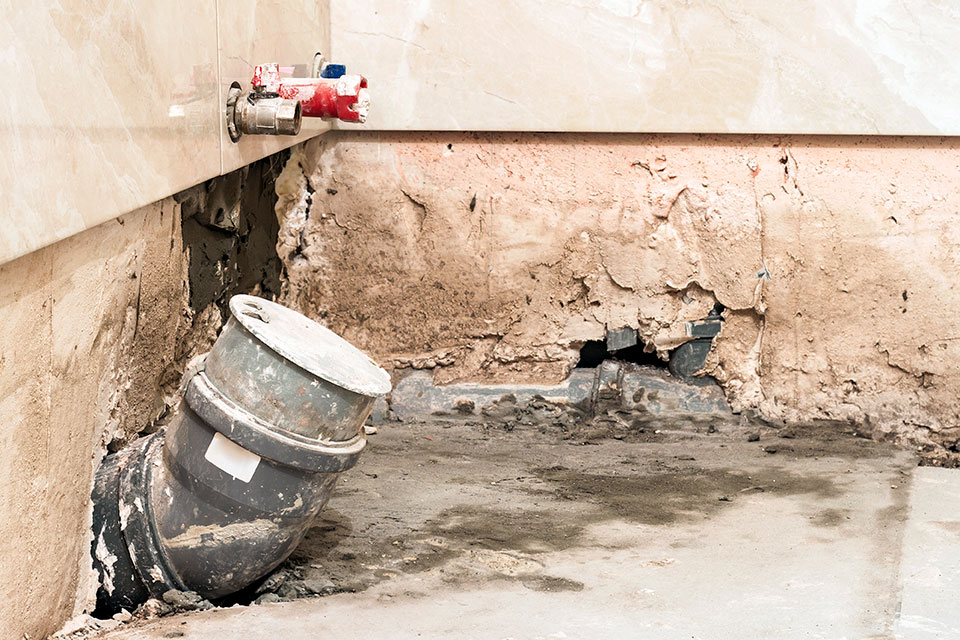
[Related: 5 Signs You Have a Hidden Plumbing Problem]
What Are the Most Common Signs That You May Have a Slab Leak?
Common slab leak signs include unexplained higher water bills, damp or warm spots on floors, water that pools near the slab with no rain, new cracks in the foundation, and the sound of water running when fixtures are off. These changes suggest that water escapes under or around the concrete rather than staying inside the pipes.
Signs often appear in several areas at once and may repeat over days or weeks. One sign alone does not confirm a slab leak, but patterns across bills, floors, walls, and yard conditions increase the likelihood that a leak exists under the foundation or near it.
Typical slab leak warning signs include:
- Water bill and meter signs:
- Higher water bills without a change in daily use
- A water meter that turns or shows flow when all fixtures and appliances are off
- Indoor floor and wall signs:
- Damp or warm spots on tile, wood, carpet, or concrete floors
- Warped wood, loose tiles, or wet carpet with musty odors in one area
- The sound of water running inside walls or under floors when taps and appliances are off
- Chronic sewer backups near the house connection, which may indicate a sewer line break under or near the slab
- Outdoor and foundation signs:
- Soggy soil or standing water next to the slab with no recent rain or irrigation
- Extra green or soft patches in beds or lawn along the foundation line
- New or widening cracks in the slab, patio, or walkways close to plumbing routes
These signs point to a possible slab or near slab leak and call for further testing rather than serving as proof on their own.
How Do Plumbers Confirm a Slab Leak Instead of Another Plumbing Leak?
Plumbers confirm a slab leak by combining meter tests, isolation tests, and listening or scanning equipment to locate leaks under the slab while ruling out wall leaks, fixture leaks, and other hidden water sources. This process narrows the leak location before any concrete is opened.
The first step often uses the water meter. A plumber checks whether the meter shows flow when all fixtures and appliances are off. Continued movement indicates an active pressurized leak somewhere in the system. Isolation valves then help separate hot from cold lines and different branches so the leak area becomes smaller.
Tools and methods that help confirm a slab leak include:
- Meter and isolation tests that show ongoing water loss and identify the leaking branch or temperature side
- Acoustic listening devices or ultrasonic leak detection equipment that listen through the slab for the sound of escaping water
- Thermal imaging cameras that reveal warm paths from hot water slab leaks under flooring or concrete
- Pressure tests that check whether isolated lines hold pressure or lose it over time
- Sewer cameras that inspect drain and sewer pipes when a sewer break under or near the slab is suspected
Accurate detection allows the plumber to mark a specific spot or short section rather than guess. Opening only a small part of the slab or working from the edge reduces cost, limits disruption inside the home, and supports a more precise repair plan.
How Are Slab Leaks Repaired or Rerouted Under a Home?
Slab leaks are usually repaired either by opening the concrete slab at the leak and fixing the pipe directly or by rerouting the line through walls or the attic so the pipe no longer runs under the slab. The choice depends on pipe condition, access, and whether the leak is an isolated problem or part of a wider pattern.
In a spot repair, a plumber cuts a small opening in the slab above the confirmed leak location. The crew exposes the leaking pipe, removes the damaged section, and installs new pipe or fittings. After testing the repair, the opening is backfilled and patched. This method works best when the rest of the line appears sound and the leak sits in a reachable area.
In a reroute, the old line under the slab is abandoned and a new pipe is run through walls, ceilings, or the attic to connect the same fixtures by a different path. This approach reduces future slab work and is often preferred when several leaks have occurred or when the existing pipe material is at the end of its service life. Sewer line breaks under or near the slab may require excavation from outside or trenchless methods that renew the pipe without extensive interior demolition.
Reasons to choose each repair strategy include:
- Spot repair when there is a single confirmed leak and the rest of the line tests strong
- Rerouting when there are multiple leaks, very old piping, or poor access under the slab
Both methods aim to restore service with the least disruption while protecting the structure above.
When Should You Call a Plumber If You Suspect a Slab Leak?
It is time to call a plumber when more than one slab leak sign appears together, such as higher water bills with damp floors or warm spots, ongoing yard moisture near the foundation, or the sound of water running when all fixtures are off. At that point the risk of structural damage and wasted water becomes too high for wait and see.
A single small stain that dries and does not return can come from many minor causes. Patterns that repeat, spread, or combine moisture with odor or noise point more strongly toward a hidden plumbing leak under or near the slab. Early professional assessment helps separate slab leaks from other issues and limits long term damage.
Situations where a homeowner should contact a plumber include:
- A sudden unexplained increase in the water bill with no visible fixture leaks
- Warm or damp spots on floors above the slab that stay in the same area
- Persistent puddles or soggy soil along the foundation when there has been no recent rain or irrigation
- The sound of water running in walls or floors when taps and appliances are off
- Repeated repair of mystery leaks in the same general part of the house
A plumber can assess these signs, perform meter and isolation tests, and use leak detection tools to confirm or rule out a slab leak. Acting at this stage helps prevent further damage to flooring, framing, and finishes and reduces the chance of mold growth under or around the slab.

How Do Central Plumbing Repair Slab Leaks in Baton Rouge Homes?
Central Plumbing provides slab leak detection and repair for homes in Baton Rouge and nearby communities. Licensed plumbers use ultrasonic equipment and other detection tools to locate leaks under concrete slabs, then plan targeted access and repair or reroute solutions that limit damage to foundations and flooring.
Capabilities Central Plumbing offers for slab leak problems include:
- Ultrasonic slab leak detection that listens through the slab and pinpoints the area where water escapes
- Camera inspection of connected lines when a sewer break under or near the slab is suspected
- Targeted slab access that removes only the concrete needed to reach and expose the damaged pipe
- Direct pipe repair or full reroute options based on pipe material, age, and overall condition
- Coordination with homeowners and other trades to restore flooring and return water service as quickly as conditions allow
Central Plumbing has more than forty years of plumbing experience in the local area and handles both scheduled and urgent slab leak concerns. Homeowners in and around Baton Rouge can call Central Plumbing at 225 925 8552 to request slab leak detection and discuss repair or reroute options.